Description
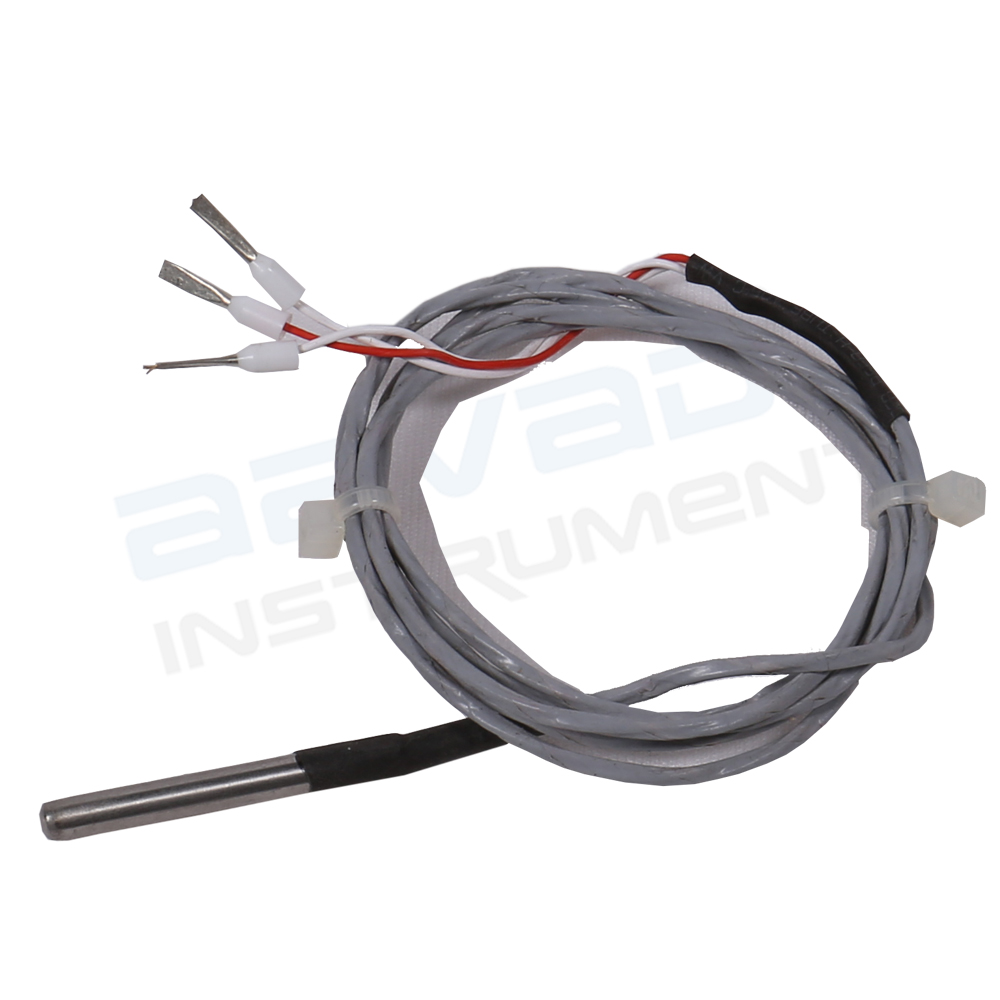
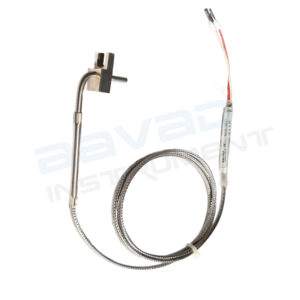
Freezer PT100 RTD Temperature Probe (Model APES-6×50) is designed for accurate temperature measurement in commercial freezers, cold rooms, refrigerated warehouses, blast freezers, and cold-chain logistics systems. Its compact SS316 stainless steel probe combined with a Teflon/Teflon insulated cable provides reliable performance in environments where repeated temperature cycling between sub-zero storage conditions and warmer ambient temperatures can place stress on conventional sensor cables.
The sensor incorporates a Simplex PT100 3-wire sensing element with Class B accuracy, helping reduce lead wire resistance effects while delivering stable temperature measurements for refrigeration control, monitoring, and data logging systems. The 50 mm long, 6 mm diameter SS316 probe is suitable for installation in confined locations, while the 3-meter cable allows convenient connection to external controllers, PLCs, data loggers, or building management systems.
Designed for demanding refrigeration environments, the Teflon insulated cable maintains flexibility across repeated cooling and warming cycles, making the sensor suitable for continuous monitoring in food storage, pharmaceutical refrigeration, laboratory freezers, and other temperature-controlled facilities.
Key Features
-
Sub-Zero Teflon Cable Flexibility (TF/TF) High-grade PTFE cable insulation remains completely flexible without cracking or hardening during continuous sub-zero exposure and defrost heat cycles.
-
Low-Temperature Rating Down to -50°C Engineered specifically for reliable operation in deep-freeze environments, commercial cold rooms, and cryogenic storage.
-
Compact 6mm x 50mm SS316 Sheath Space-saving stainless steel housing offers excellent corrosion resistance against moisture condensation and wash-down sanitizers.
-
3-Wire Lead Compensation 3-wire RTD circuit automatically cancels out line resistance across the 3-meter cable run, ensuring true temperature accuracy at the controller.
-
Extended 3-Meter Reach Generous cable length easily penetrates insulated freezer paneling to reach externally mounted digital indicators or logging stations.
-
Ideal for Cold-Chain Compliance Monitoring Provides drift-free performance critical for HACCP, FDA, and pharmaceutical cold-storage compliance logging.
Applications
-
Commercial & Industrial Freezers Continuous thermal tracking in walk-in freezers, display cases, and reach-in commercial units.
-
Cold Storage Warehouses & Distribution Centers Ambient air monitoring across large-scale refrigerated food and pharmaceutical logistics hubs.
-
Blast Freezers & Flash Chilling Units Rapid temperature feedback in high-velocity cold air streams and flash-freezing tunnels.
-
Refrigerated Transport & Containers In-transit temperature recording for reefer trucks, ocean freight containers, and air cargo boxes.
-
Laboratory & Vaccine Storage Freezers Ultra-low temperature monitoring for bio-specimens, pharmaceutical vaccines, and medical plasma storage.
Datasheet
FAQs
1. What is a Freezer PT100 RTD Temperature Probe?
A Freezer PT100 RTD Temperature Probe is a PT100 Resistance Temperature Detector (RTD) designed for accurate and reliable temperature monitoring in freezers, cold rooms, refrigerated warehouses, and other low-temperature environments. It provides precise temperature measurement to help maintain product quality, safety, and regulatory compliance in refrigeration applications.
2. Why is Teflon Cable used in Freezer Temperature Sensors?
Teflon-insulated cable remains flexible through repeated sub-zero and ambient temperature cycles, making it ideal for refrigeration applications. It offers excellent resistance to moisture, chemicals, abrasion, and temperature extremes, helping improve cable durability and ensure reliable long-term performance.
3. Where are Freezer PT100 RTD Sensors commonly used?
Freezer PT100 RTD Sensors are widely used in commercial freezers, cold storage warehouses, refrigerated transport vehicles, blast freezers, pharmaceutical storage facilities, food processing plants, laboratory refrigeration systems, vaccine storage units, and cold chain logistics where accurate low-temperature monitoring is essential.